The spreadsheet
A wall of product entries, and one link each
The word spreadsheet is a leftover from how these guides started, and it misleads people into expecting a document. What you get is a shop-shaped page: product cards arranged by category, each with a photo, the seller wording, the marketplace it came from, and a link out.
There is nothing to download and nothing to keep in sync. You browse, you pick, you copy a link. Everything after that happens on the agent site.
Browse the current selection, which is our own catalogue, and read the category notes here first if you are new to any of the shelves.
What an entry promises, and what it does not
An entry is a pointer. Treating it as a product listing from a western shop is where most first orders go wrong, because the guarantees a western listing implies are simply not attached to it.
What the entry gives you
- A photograph of the item as it was sold, which is more useful than a render
- The seller wording, which is the phrase you can search with if the link dies
- The marketplace, so you know whether you are dealing with Taobao, Weidian or 1688 seller habits
- One link, which is the only thing the agent needs from you
What it does not carry
- Any promise about sizing, because the seller chart is the only size authority
- Any judgement about quality, because nobody has held the item at that point
- A price you will pay, because freight and duty are quoted later against the parcel rather than the item
- Stock certainty, because the seller can be out of a colour by the time the order is placed
From an entry to an order
Four moves, and only the first one happens on our side.
Copy the link from the entry
The link points at the seller page on the marketplace. Nothing is committed yet and nothing is reserved.
Paste it into OOTDBUY
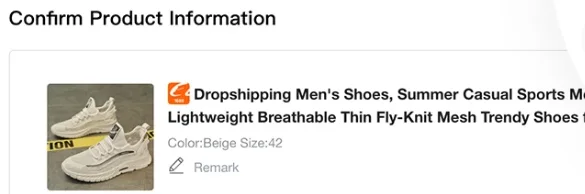
The agent reads the seller page and shows you the options as the seller wrote them, which is where colour and size choices are made. Where a seller uses wording no option list can express, the order note is the place for it.
Pay from your wallet balance
Money for the goods and the domestic leg comes out at this point. While the order is still pending, the official aftersales page says cancelling returns the amount straight to the wallet balance.
Wait for stock-in
When the seller parcel reaches the warehouse it is opened, checked for banned items, weighed and repacked. That moment starts the 120 hour return window, so it is the moment to look at the inspection photos properly.
Why use the spreadsheet at all
A category catalogue helps you discover products without first knowing the seller or the right search phrase. It gives you a starting point for comparison; inclusion does not mean the seller has been certified or your item inspected.
It also fixes the vocabulary problem. Marketplace search is unforgiving about phrasing, and the seller wording carried on the entry is exactly the phrase that finds the item again if a link goes dead.
What it does not fix is judgement. Nothing on an entry tells you whether a thing is worth the freight, and freight is priced on the parcel rather than the item, which changes the arithmetic on anything bulky. That arithmetic is set out on the paying page, and the shelf notes on the categories page say which groups it hits hardest.
The entry stops mattering the moment you order
This is the part worth carrying into the rest of the guide. Once the link is pasted, nothing about the entry has any standing. The order is between you, the agent and the seller, and every rule that applies from then on comes off the agent policy pages.
So if the item turns out to be different from the photo on the entry, the question is not what the entry said. It is whether the seller sent something other than what was ordered, which is the line the official table draws between a case you pay for and one you do not.