Ordering
Seven steps, three of them hard to undo
The screens are short enough that people click through them in a couple of minutes. What is worth slowing down for is not the form design, it is the three points where the state of your order changes in a way you cannot walk back.
This page walks the sequence and marks what each step commits you to. If you are only here for one thing, it is this: the return window opens at stock-in, not at delivery, and by the time the parcel is with you it has usually closed.
Step by step, with what changes underneath
Same seven steps, in more detail. The wording of each rule is on an official page and linked where it matters.
Paste the product link
Copy it from the entry on the spreadsheet. The agent reads the seller page and shows the options as the seller listed them. Nothing is committed and nothing is reserved at this stage.
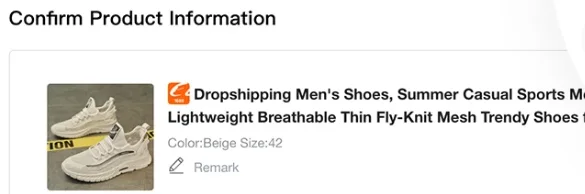
Choose options, and write the note if you need one
Colour and size come from the seller option list, which is not always the same as what the photos show. Where the option list cannot express what you want, the order note is the only place it goes.
Top up, then pay for the goods
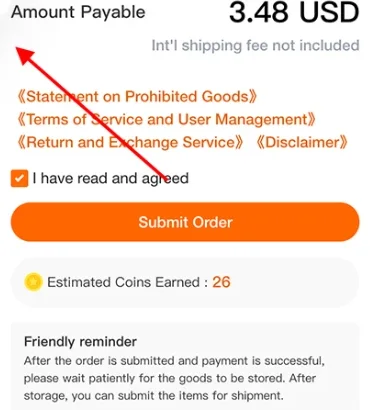
Orders draw on a wallet balance rather than charging a card directly, so topping up is a separate act from ordering. What you pay here is the goods plus the domestic leg to the warehouse. See how the money moves.
Cancel here if you are going to
While the order is still pending, the official aftersales page says you can cancel it from the order page and the refund goes straight back to your wallet balance. This is the cheapest exit on the whole route.
The seller ships to the warehouse
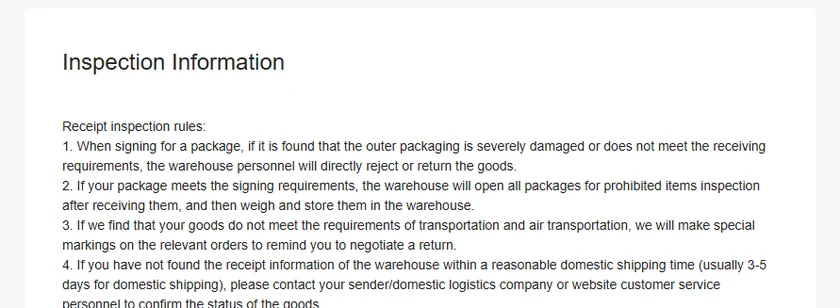
Domestic shipping usually takes a few days. If nothing shows up as received after that, the official inspection page asks you to chase the sender or support rather than waiting.
Stock-in, and the window opens
The warehouse opens the parcel, checks for banned items, weighs it and repacks it. Your 120 hour return window starts at the next full hour. This is the moment to look at the photos carefully rather than the moment the parcel arrives at your door.
Submit the parcel and choose a line
Freight is quoted against the parcel, so consolidating changes the number. The line you pick also decides the compensation standard that would apply to a loss, which is not shown on the quote screen. See choosing a line.
Sign for it, carefully
The official receipt page asks you to check the outer packaging before signing, look at whether the seal is intact and whether the weight is obviously wrong, and to sign with a remark or refuse the parcel where something is visibly off. Doing that is what makes a later claim provable.
The order note is doing more work than it looks
Option lists are built by sellers for a domestic audience, so they carry assumptions that do not survive translation. A size chart in flat centimetres, a colour name that refers to a batch rather than a shade, a bundle that includes something you did not want. The note is where you say what the options cannot say.
It is also the thing that decides an argument later. Where the seller sends something other than what was ordered, the official table puts the case on the seller side. Where you asked for something the listing never offered, it does not.
What the warehouse checks, and what it does not
Inspection at stock-in confirms the goods against the order: quantity, colour, size and other specifications. The parcel is opened, checked for banned items, weighed, and repacked into a sealed OOTDBUY bag, with the original courier box removed unless the item is fragile or oversized.
The official page is also explicit that several things sit outside that check. Our sister guide covers what the exclusions mean for choosing an item; for the purposes of this page, the point is narrower. Inspection is a comparison against your order, not an opinion about the item, and it is the last chance anyone in the chain looks at the thing before it flies.