Handoffs
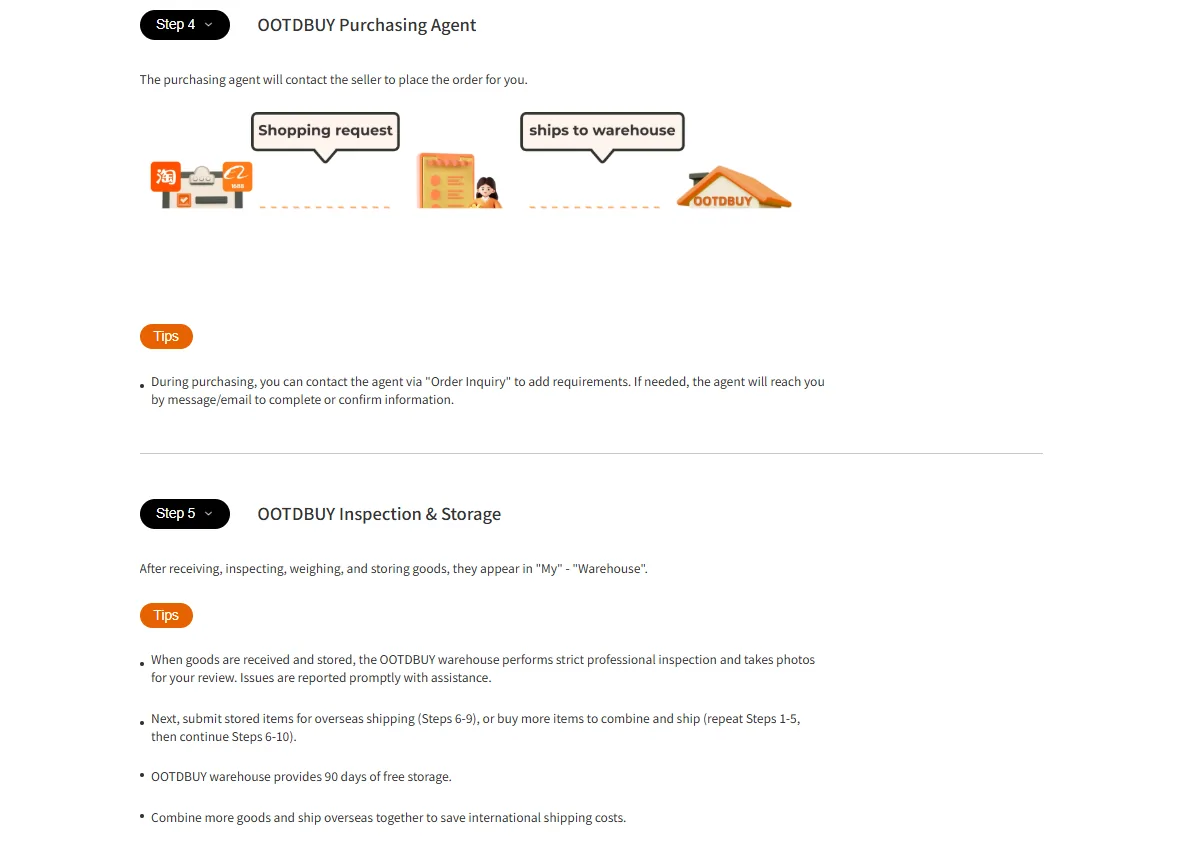
An order is four stretches, not one journey
The useful way to hold all of this is not as a timeline but as a relay. Four parties, four stretches, and a change of custody between each. Guarantees do not travel with the parcel; they belong to whoever is holding it.
That is why a question like "can I return this" has no single answer. It depends entirely on which stretch the item is in when you ask, which is what the who pays page turns into a check you can run against your own order. The money side of the same chain is on the paying page.
Three kinds of answer
Through the rest of this guide, conclusions carry one of three marks. They are not a rating of how good the service is. They record how firmly the official pages commit to an answer.
A named party means a page says who carries it. A shared call means someone handles it but the seller or the carrier has the final say. The third mark means no policy on the site promises anything, which is usually a deadline that has passed rather than an oversight. The actions that most often move a case into that third mark are on the page about getting stuck.
Stretch one: the seller has it
From the moment the order is placed until the parcel reaches the warehouse, the party that matters is the third-party seller. This surprises people, because the site you are looking at is the agent site.
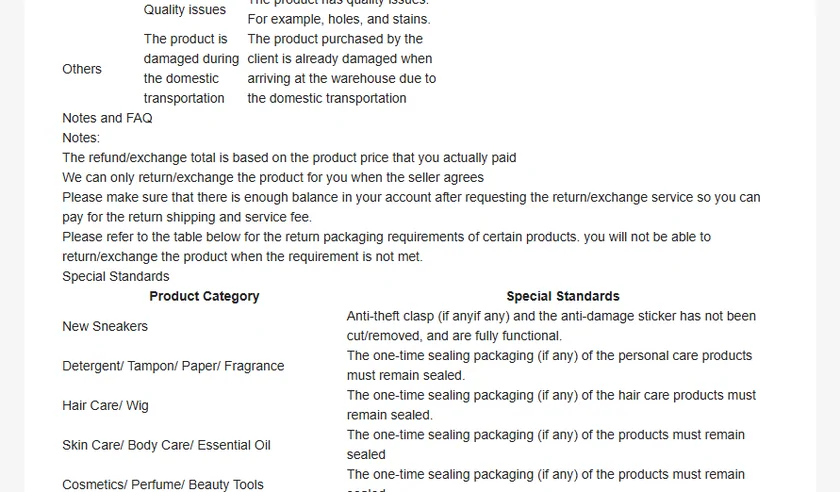
The return guarantee belongs to the seller
The official page describes the five day return and exchange guarantee as a service offered to customers by sellers on third-party platforms. The agent negotiates on your behalf, and the final result is subject to the seller decision.
Eligibility is set per listing
Items are either eligible or ineligible for that guarantee before you buy. Custom-made goods, second-hand goods, underwear and several other groups are named as outside it.
Cancelling while pending is clean
An order that has not shipped can be cancelled from the order page, with the refund going straight back to the wallet balance.
Stretch two: the warehouse has it
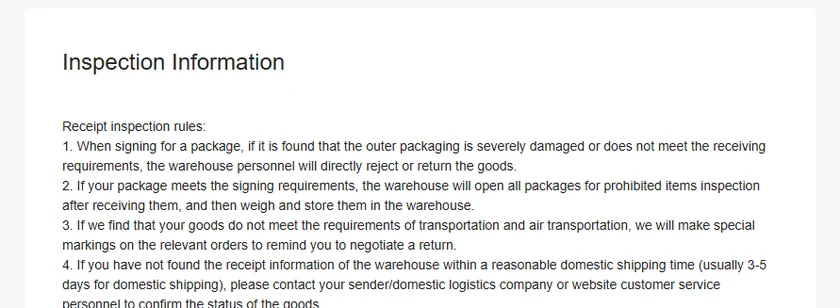
This is the only stretch where the agent itself is unambiguously in charge, and it is short. On arrival the outer packaging is checked, and a parcel that fails that check is refused or returned outright. Everything that passes is opened to check for banned items, weighed, and repacked.
Two things start here. The 120 hour return window, counted from the next full hour after stock-in. And free storage, which the official page puts at 90 days from the received status, with an email as it approaches. Our sister guide goes into the storage clock in detail.
Stretch three: the line has it
Once a parcel is submitted and dispatched, responsibility passes to the carrier, and the agent position becomes administrative: it processes a claim against the compensation standard of that particular line.
Two details are worth carrying. The compensation clock starts when the parcel leaves the warehouse, not when you notice a problem. And some lines have no overseas re-delivery or return service at all, which means a parcel that goes back to a carrier overseas warehouse is not sent out again.
Where nobody covers you
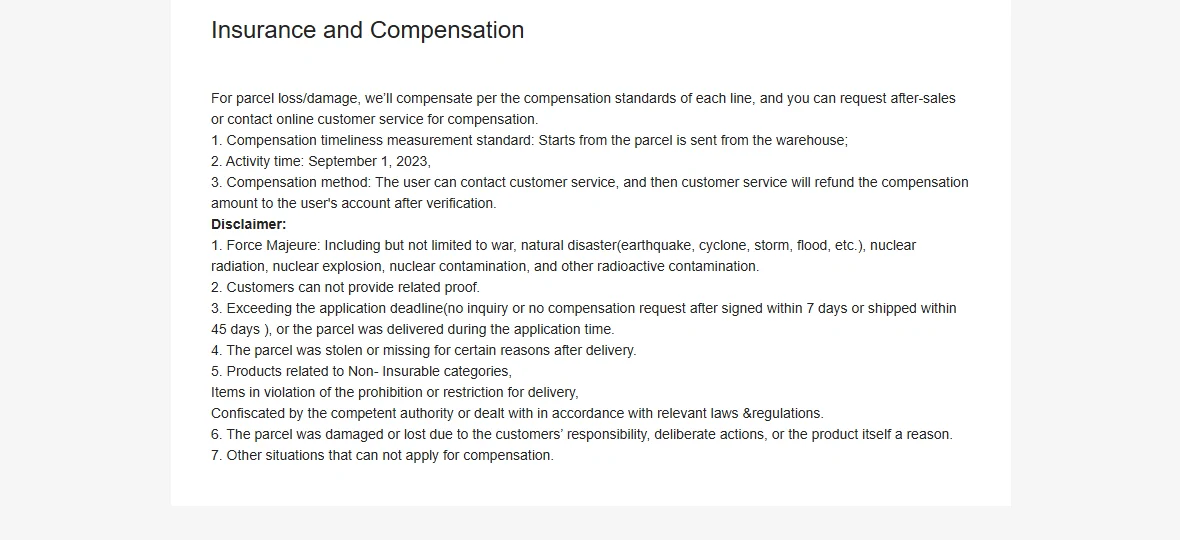
Compensation has two deadlines and they are not alternatives. A claim has to be raised within 7 days of the parcel being signed for or 45 days of dispatch. Whichever arrives first is the one that closes the door.
The disclaimer list on the same page rules out force majeure, claims with no evidence behind them, parcels already delivered when the claim is raised, theft after delivery, non-insurable and restricted categories, goods held by customs, and damage caused by the buyer or by the nature of the goods themselves.
The compensation page, disclaimers included
The seven disclaimers at the bottom are the part worth reading twice. They are what turns a compensation policy from a promise into a set of conditions.
Stretch four: you have it
The last stretch is the shortest, and it is the only one where somebody from outside the chain is standing in front of you. A courier at the door can be asked to look at the box before you sign for it. Nobody earlier in the chain can be asked anything in person.
Check before you sign
The official receipt page asks you to look at whether the outer packaging is intact, whether the seal is intact, and whether the weight is obviously different, before signing.
Sign with a remark, or refuse
Where damage is visible, checking in front of the courier and either signing with a remark or refusing the parcel is what turns a complaint into a claim.
Theft after delivery
Named in the disclaimer list. A parcel marked delivered and then taken from a doorstep is outside what compensation covers.